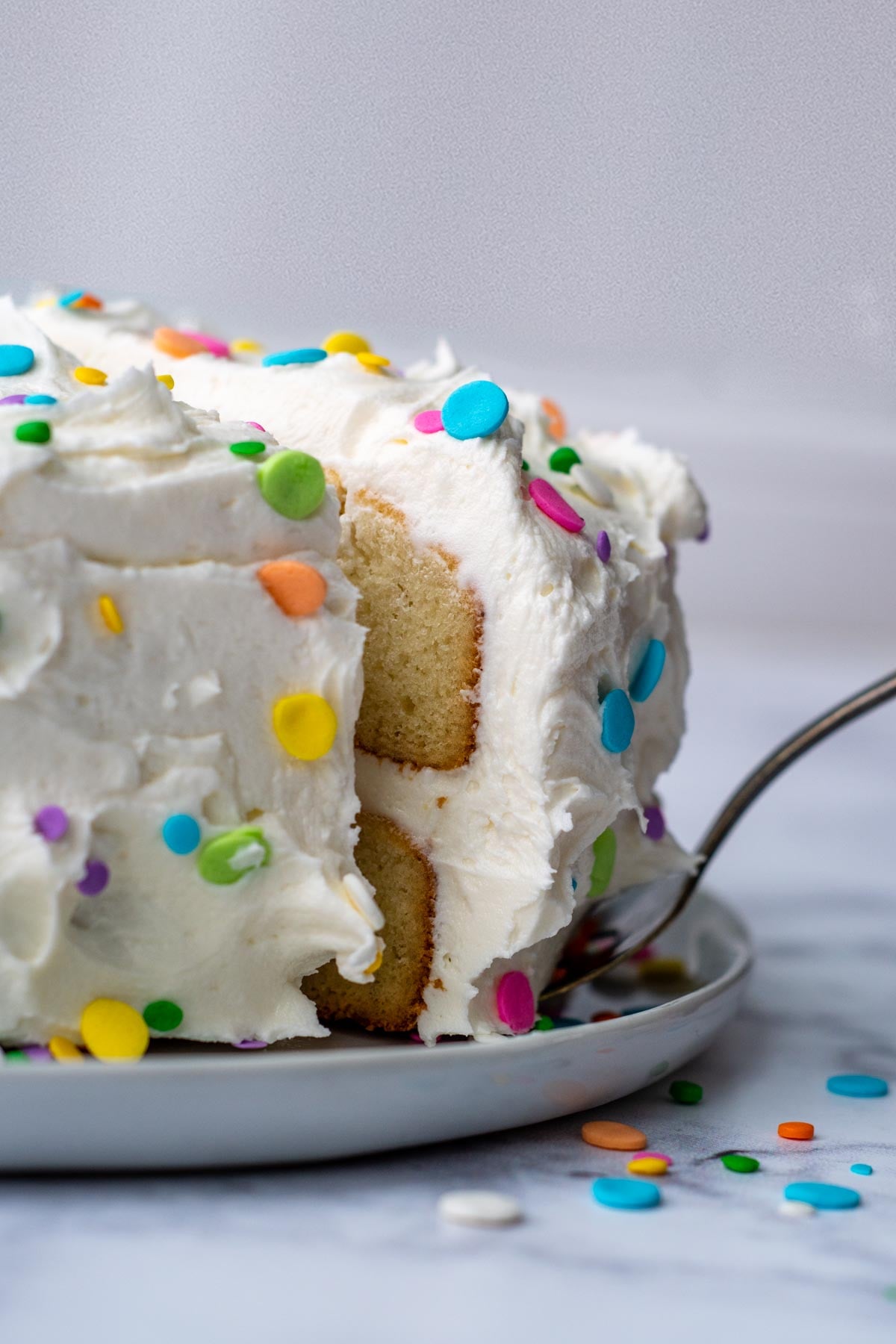
Forget Dry & Gummy: The Best Gluten-Free White Cake for Any Party
For anyone navigating the world of gluten-free baking, the dream of a truly light, fluffy, and moist white cake can often feel like an elusive fantasy. Many a baker has wrestled with recipes promising perfection, only to be met with disappointing results: cakes that are dry, crumbly, gritty, or worse yet, dense and gummy. But what if we told you that the search for the best gluten free white cake recipe could finally end here? Imagine a homemade vanilla cake so soft and tender, so rich in flavor, that it stands proudly alongside its gluten-containing counterparts, ready to be the star of any birthday, wedding, or special celebration. Get ready to banish those gluten-free cake woes forever.
The Quest for Perfection: Overcoming Gluten-Free Baking Hurdles
The journey to perfecting gluten-free baked goods is often paved with good intentions and, let's be honest, quite a few culinary catastrophes. While gluten-free brownies, cookies, and even some breads have become more reliably achievable, a truly outstanding white cake has remained a formidable challenge for many. The very structure of traditional white cake relies heavily on gluten—the protein network that gives elasticity, strength, and that characteristic airy chew. Without it, bakers often face a host of issues:
- Dryness and Crumbly Texture: Gluten-free flours absorb liquids differently and often dry out faster during baking.
- Dense and Gummy Consistency: A common pitfall when not enough air is incorporated or the flour blend isn't right, leading to a heavy, unpleasant texture.
- Grittiness: Some gluten-free flours can leave a noticeable texture if not properly hydrated or blended.
- Sinking or Lack of Rise: Achieving the perfect lift without the gluten network to trap gases can be tricky, sometimes resulting in a beautiful rise only for the cake to collapse upon cooling.
These challenges often lead exasperated bakers back to pre-made mixes. While convenient, mixes rarely deliver the depth of flavor or the sublime texture of a truly from-scratch creation. The good news? You don't need expert-level baking skills or a culinary degree to achieve success. The secret to the best gluten free white cake recipe lies not in magic, but in a deeper understanding of gluten-free ingredients and precise techniques that elevate a simple vanilla cake into something truly swoon-worthy.
Unlocking the Secrets to a Truly Superior Gluten-Free White Cake
Developing a fluffy, moist gluten free white cake that consistently delivers required countless hours of experimentation. It's about more than just swapping all-purpose flour for a gluten-free alternative; it's about understanding how each ingredient interacts to create structure and tenderness without gluten. Here are the pivotal elements:
1. The Power of a Quality Gluten-Free Flour Blend
This is perhaps the most critical factor. A single gluten-free flour (like rice flour or almond flour) rarely provides the balance needed for a complex bake like a white cake. The best gluten free white cake recipe calls for a high-quality, pre-mixed gluten-free all-purpose flour blend, ideally one that contains xanthan gum. These blends are expertly formulated with a mix of starches (tapioca, potato, corn) and flours (rice, sorghum, millet) to mimic the properties of wheat flour, providing structure, tenderness, and preventing grittiness. Using a reputable brand ensures consistency and reliability.
2. The Precise Ratio of Wet to Dry Ingredients
Unlike traditional baking where slight variations might be forgiven, gluten-free baking demands precision. The ratio of liquid to flour is paramount. Too much liquid can lead to a gummy, dense cake that struggles to set, while too little will result in a dry, crumbly mess. This precise balance ensures the gluten-free flours are fully hydrated without becoming oversaturated, leading to that coveted moist, tender crumb. This balance often requires careful adjustments beyond what a simple "traditional recipe swap" can provide.
3. Thoughtful Leavening Agents and Mixing Techniques
Achieving lift and an airy texture is crucial. A balanced combination of baking powder and baking soda, activated correctly by acidic ingredients (like buttermilk or cream of tartar), provides the necessary rise. Furthermore, the mixing process plays a vital role. While you won't develop gluten, an initial longer creaming time of butter and sugar helps incorporate air, creating a light base. It also ensures the ingredients are well combined and the starches begin to hydrate. Just be mindful not to overmix once the dry ingredients are fully incorporated, as this can still lead to a denser cake.
4. The Right Baking Time and Temperature
Overbaking is the arch-nemesis of a moist cake, especially when baking gluten-free. While a 9-inch round cake might typically bake in 30-35 minutes, a gluten-free version often requires less time, sometimes as little as 23-25 minutes in a properly preheated oven. Always use an oven thermometer to ensure accuracy, and start checking for doneness early. The cake should spring back lightly when touched, and a toothpick inserted into the center should come out with moist crumbs, not wet batter.
5. Achieving a Pure White Color and Flavor
For a truly pure white cake, using only egg whites (no yolks) and clear vanilla extract is key. This prevents any yellow tint and allows the delicate vanilla flavor to shine through. Ensure all ingredients are at room temperature for the best emulsion and volume.
More Than Just a Recipe: Tips for Gluten-Free Cake Mastery
While the specific ingredient ratios and techniques are vital, embracing certain habits will elevate your gluten-free baking success:
- Measure by Weight: For the ultimate precision in gluten-free baking, investing in a kitchen scale is invaluable. Volume measurements can vary significantly, especially with flours.
- Room Temperature Ingredients: Butter, eggs, and dairy should all be at room temperature. This allows them to emulsify better, creating a smoother batter that holds more air, resulting in a lighter cake.
- Prepare Your Pans Diligently: Generously grease and flour your cake pans (using gluten-free flour, of course), or line them with parchment paper. This prevents sticking, which is especially important for delicate gluten-free cakes.
- Don't Peek Too Soon: Resist the urge to open the oven door during the first two-thirds of the baking time. Sudden temperature drops can cause cakes to sink.
- Cool Properly: Allow the cake to cool in the pans for about 10-15 minutes on a wire rack before inverting. This allows the structure to set, preventing breakage or sinking. Then, cool completely on the rack before frosting.
- Patience Pays Off: This truly is the best gluten free white cake recipe, but it might require a bit more attention than a quick mix. The results, however, are undoubtedly worth the effort, delivering a cake that doesn't taste "gluten-free."
For a deeper dive into mastering the nuances of this recipe, be sure to consult Master the Fluffy, Moist Gluten-Free White Cake: A No-Fail Guide. If you're eager to embark on this culinary journey from the very beginning, our guide From Scratch: Unlock the Secret to a Perfect Gluten-Free White Cake offers comprehensive steps to ensure your success.
No longer do you have to settle for dry, dense, or gummy gluten-free cakes. With these insights and the right approach, you can create a homemade gluten free vanilla cake that is exceptionally light, wonderfully moist, and utterly delicious. It's a game-changer for anyone celebrating a birthday, wedding, or simply desiring a slice of pure joy. Embrace the possibility of perfection and discover why this truly is the best gluten free white cake recipe you'll ever bake.
