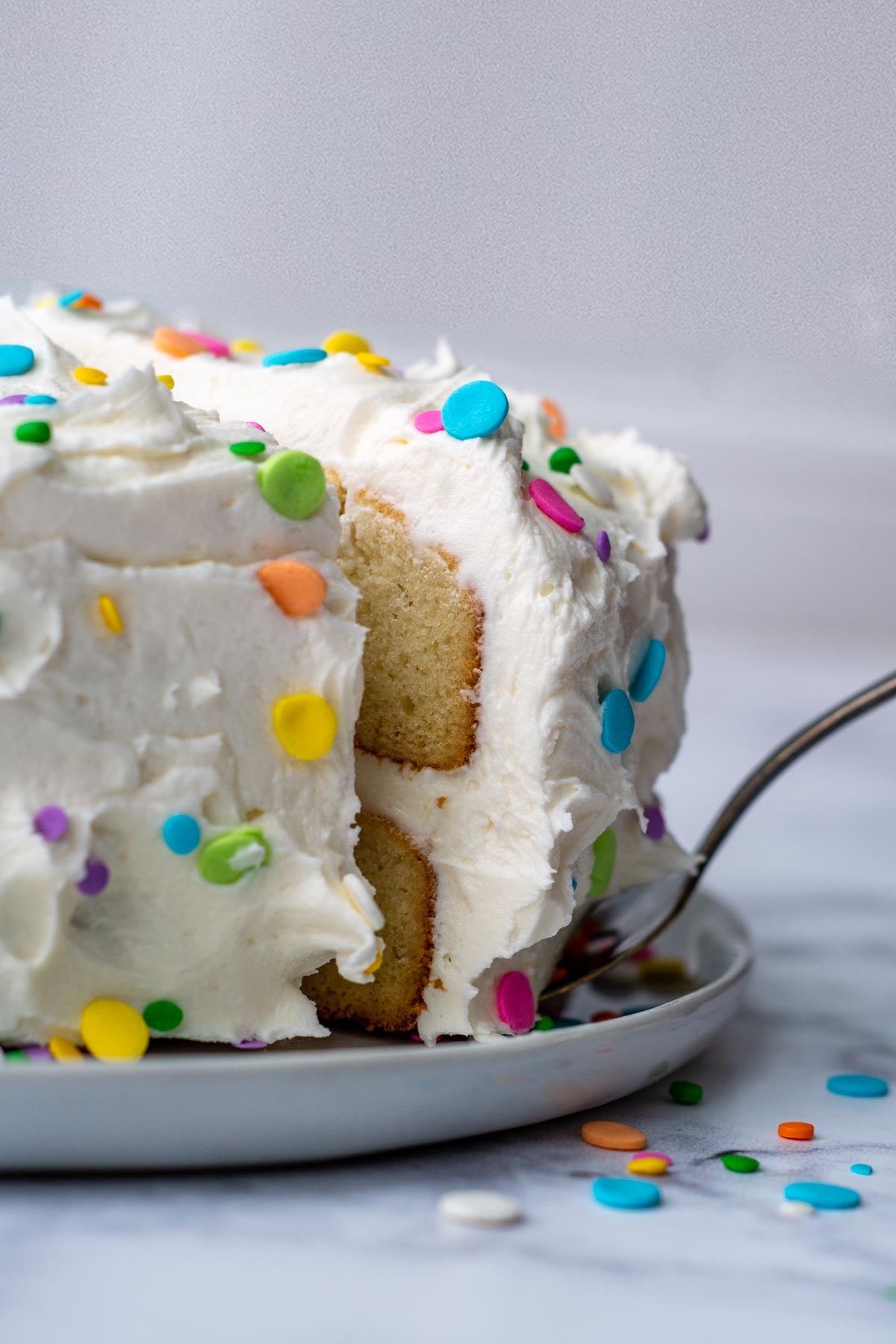
From Scratch: Unlock the Secret to a Perfect Gluten-Free White Cake
For anyone navigating the world of gluten-free baking, the quest for a truly exceptional white cake can often feel like an elusive dream. We've all been there: the disappointment of a dry, crumbly, or overly dense cake that just doesn't live up to the promise of a classic, celebratory confection. Many gluten-free adaptations fall short, leaving bakers yearning for that light, moist, and perfectly tender crumb traditionally found in wheat-based recipes. But what if we told you that the secret to the
best gluten free white cake recipe isn't a myth, but a meticulously developed reality? It’s a recipe born from years of trial and error, a symphony of specific ingredients and techniques designed to defy the common pitfalls of gluten-free baking. Prepare to end your search for good, because achieving a flawless, fluffy, and moist gluten-free white cake from scratch is entirely within your reach.
The Gluten-Free White Cake Conundrum: Why It's So Hard to Get Right
Before we dive into the solutions, it's essential to understand the unique challenges posed by gluten-free white cake. Gluten, the protein network found in wheat, provides structure, elasticity, and that signature chewiness we associate with baked goods. When you remove it, you're left with a structural void that standard flour swaps simply can't fill on their own.
Common frustrations include:
- Dryness and Crumbly Texture: Without gluten to retain moisture, cakes can quickly become arid and fall apart.
- Dense or Gummy Consistency: Conversely, some gluten-free cakes turn out heavy, almost brick-like, or develop an unpleasant gummy texture due to incorrect starch ratios or over-hydration.
- Gritty Mouthfeel: Certain gluten-free flours, especially coarser rice flours, can leave an undesirable gritty residue.
- Sinking Centers: A cake that rises beautifully in the oven only to collapse upon cooling is a common heartbreak, often stemming from an imbalance in leavening or insufficient structure.
Many home bakers attempt to convert traditional wheat-based recipes by simply substituting an all-purpose gluten-free flour blend. While this might yield something that *looks* like a cake, it rarely delivers the desired texture or flavor. The truth is, gluten-free baking requires a deeper understanding of ingredient interaction and a more precise approach.
The Journey to Perfection: Unveiling the Secrets to Success
Achieving the
best gluten free white cake recipe involves a careful dance of ingredients and methods, honed through extensive experimentation. It's about moving beyond simple substitutions and embracing techniques specifically tailored to gluten-free flours.
The Foundation: A Superior Gluten-Free Flour Blend
The journey begins with flour, but not just any gluten-free flour. The quality and composition of your gluten-free flour blend are paramount. A single-flour approach (like just rice flour) is almost guaranteed to fail. Instead, look for or create a blend that combines various flours and starches to mimic the properties of wheat flour.
- Rice Flours (White and Brown): Provide structure and a neutral flavor base.
- Tapioca Starch/Flour: Contributes to chewiness and a crisp crust.
- Potato Starch/Flour: Adds tenderness and moisture.
- Sorghum Flour/Millet Flour: Can offer a more complex flavor and additional protein.
- Xanthan Gum: This is often a crucial binder, providing elasticity and preventing crumbling. It's the "glue" that gluten-free baking often needs, acting as a gluten substitute. Many good commercial blends include it, but if yours doesn't, you'll need to add it separately in precise amounts.
A well-balanced blend ensures your cake is fluffy, not gritty, and has enough structure to hold its shape. Using a high-quality, proven blend is one of the most significant steps toward a no-fail outcome.
The Science of Ratios: Wet vs. Dry
This is where many "adapted" recipes go awry. The precise ratio of wet to dry ingredients in gluten-free baking is fundamentally different from traditional baking. Gluten-free flours often absorb liquids differently and require specific hydration levels to achieve the desired moistness without becoming gummy. Too much liquid can lead to a dense, wet crumb, while too little results in a dry, brittle cake.
Our perfected recipe accounts for these nuances, ensuring that every drop of milk and every gram of flour works in harmony. This balance is what prevents the common complaints of dry or gummy textures, making this truly the
best gluten free white cake recipe.
Mixing Matters: Beyond Just Combining Ingredients
Unlike traditional cakes where overmixing develops gluten and can lead to toughness, gluten-free batters often benefit from a *longer mix time*. This might sound counterintuitive, but it serves several crucial purposes:
- Hydration: It gives the various gluten-free flours and starches ample time to fully hydrate, preventing a dry or gritty texture.
- Gum Activation: If your blend contains xanthan gum, a longer mix time helps it fully activate and distribute, building the necessary structure and elasticity.
- Aeration: Proper mixing incorporates air, contributing to the cake's light and fluffy texture.
Don't be afraid to let your mixer run for a few minutes beyond what you might expect for a wheat-based cake. This step is key to developing a robust, yet tender, crumb.
Baking with Precision: Temperature and Timing
Baking is a science, and even slight deviations can impact the final product. We found that common baking times for traditional cakes were often too long for gluten-free versions. Overbaking is a primary culprit for dry gluten-free cakes.
For two-layer cakes in 9-inch round pans, a baking time of 23-25 minutes is often ideal, depending on your oven.
- Use an Oven Thermometer: Your oven's internal temperature can vary significantly from what the dial indicates. An inexpensive oven thermometer is a baker's best friend.
- Visual Cues: Trust your eyes. The cake should be lightly golden, spring back when gently pressed, and a wooden skewer inserted into the center should come out clean.
- Prevent Sinking: Adjustments to leavening agents (baking powder and baking soda) are critical. Too much can cause a quick rise and then collapse, while too little prevents adequate lift. The precise amounts in our recipe ensure a stable structure that won't sink upon cooling.
These carefully tweaked ingredient ratios and baking parameters are what truly sets this
Master the Fluffy, Moist Gluten-Free White Cake: A No-Fail Guide apart, ensuring a consistently delightful result.
Elevating Your Bake: Advanced Tips for the Best Gluten-Free White Cake Recipe
Beyond the fundamental adjustments, several nuanced techniques can transform a good gluten-free white cake into an extraordinary one.
Ingredient Quality: It Truly Makes a Difference
When baking a simple white cake, the flavor of each ingredient shines through.
- High-Quality Vanilla Extract: Opt for pure vanilla extract (or even vanilla bean paste) for a rich, aromatic flavor that permeates every bite.
- Fresh Eggs: Fresher eggs tend to whip better and contribute to a better structure.
- Real Butter: Unsalted butter at room temperature (softened but not melted) creams beautifully, incorporating air and contributing to a tender crumb and rich flavor.
- Room Temperature Ingredients: Ensure eggs, butter, and dairy are all at room temperature. This allows them to emulsify properly, creating a smooth batter that traps air more effectively, leading to a lighter cake.
The Art of Egg Whites: For That Airy Texture
A truly fluffy white cake often benefits from whipped egg whites. Separating the egg yolks (which contribute richness and color) from the whites (which provide lift) allows for a delicate, airy texture.
- Separate Carefully: Ensure no yolk gets into the whites, as fat prevents them from whipping properly.
- Whip to Soft Peaks: Beat egg whites until they hold soft peaks. Over-whipping can make them dry and difficult to fold.
- Gentle Folding: Fold the whipped whites into the batter in stages, using a gentle, upward motion to maintain as much air as possible. This step is crucial for an ethereal crumb.
Preparing Your Pans: The Unsung Hero
Proper pan preparation is often overlooked but critical for a flawless release and even baking.
- Grease and Flour (GF Flour!): Thoroughly grease your cake pans with butter or shortening, then dust generously with gluten-free flour. Tap out any excess. This creates a non-stick barrier.
- Parchment Paper: For extra insurance, especially with layer cakes, cut parchment paper circles to fit the bottom of your pans after greasing. Grease the parchment as well. This guarantees easy removal.
These steps ensure your beautiful layers emerge intact, ready for stacking and frosting.
Cooling Patience: The Final Frontier
Once your cake is baked, the battle isn't over. Proper cooling is just as important as proper baking to maintain texture and prevent sinking.
- Cool in Pans Briefly: Allow the cakes to cool in their pans on a wire rack for about 10-15 minutes. This allows them to firm up slightly before you attempt to invert them.
- Complete Cooling on Rack: Gently invert the cakes onto a wire rack and cool completely. Do not try to frost a warm cake; it will melt your frosting and often lead to a crumbly mess. Cooling completely also allows the internal structure to set fully, preventing any potential sinking.
By embracing these practical tips, you can confidently
Forget Dry & Gummy: The Best Gluten-Free White Cake for Any Party and instead deliver a masterpiece.
Conclusion
The journey to finding the
best gluten free white cake recipe might have been fraught with disappointments in the past, but those days are officially behind you. By understanding the unique properties of gluten-free ingredients and employing precise techniques – from selecting the right flour blend and mastering ingredient ratios to proper mixing, baking, and cooling – you can consistently achieve a cake that is fluffy, moist, tender, and utterly delicious. This isn't just a recipe; it's a meticulously crafted experience designed to bring joy and celebrate without compromise. So, preheat your oven, gather your ingredients, and prepare to unlock the secret to a gluten-free white cake that will amaze everyone, gluten-free or not. It's truly worth every moment of effort.