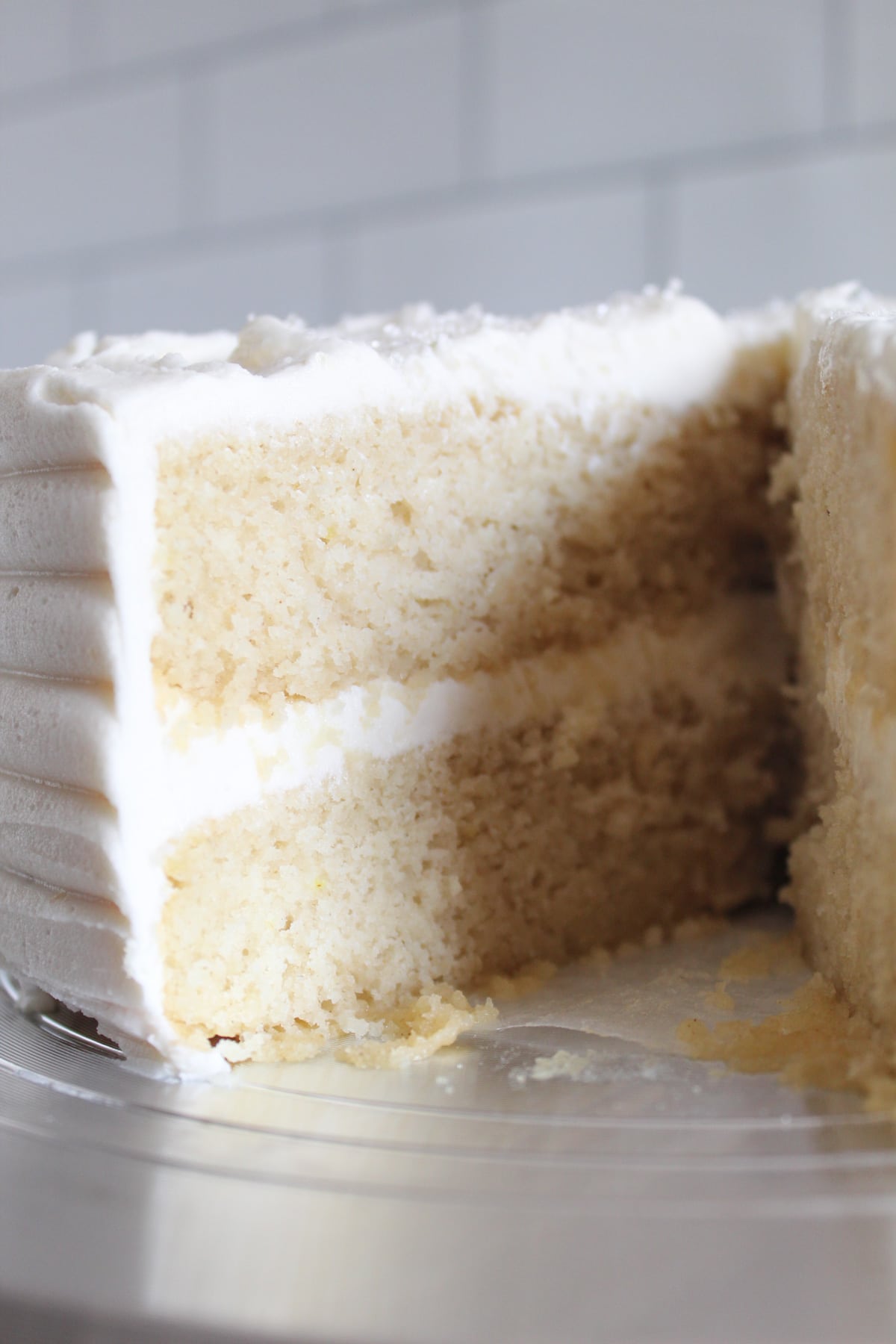
Mastering the Elusive Fluffy, Moist Gluten-Free White Cake
For years, the mere mention of "gluten-free white cake" could send shivers down the spine of even the most seasoned baker. Visions of dry, crumbly, gritty, or disappointingly dense layers often haunted our gluten-free baking adventures. While strides have been made in GF bread, cookies, and even fudgy chocolate cakes, achieving that ethereal, cloud-like white cake texture seemed like a mythical quest. But what if we told you that the quest ends here? We're about to unlock the secrets to the **best gluten free white cake recipe** – one that's not just "good for gluten-free," but simply *good*. Period. Prepare to impress even the most discerning palates with a cake that’s perfectly moist, incredibly tender, and bursting with vanilla flavor, making it ideal for birthdays, weddings, or any cherished celebration.
The Gluten-Free White Cake Conundrum: Why Is It So Challenging?
Before we dive into the solutions, let's understand the problem. Why has the gluten-free white cake historically been such a formidable foe? The answer lies in gluten itself. In traditional baking, gluten provides the structural network that traps air, creating rise and elasticity. Without it, bakers often face a delicate balance:
* **Lack of Structure:** Without gluten, cakes can collapse, become overly crumbly, or bake into a heavy, dense brick.
* **Moisture Management:** Gluten-free flours absorb liquids differently. Some are very thirsty, leading to dry cakes, while others can result in a gummy texture if the liquid balance is off.
* **Texture Issues:** The fine grind of some GF flours can lead to a gritty mouthfeel, far from the smooth, tender crumb we crave in a white cake.
* **The "Swap and Pray" Method:** Many bakers initially try substituting all-purpose gluten-free flour directly into traditional recipes. While this might yield something that *looks* like a cake, it rarely delivers the desired texture or flavor, often resulting in those familiar dry, dense, or gritty outcomes.
It’s this ongoing struggle that has led to countless culinary disappointments and, frankly, a few "pity parties" in the kitchen. But rest assured, the journey from these disheartening failures has paved the way for a truly perfected staple. If you've ever felt that familiar frustration of a failed GF cake, you're not alone. But those days of settling for less are over. For more insights into avoiding these common pitfalls, you might want to explore
Forget Dry & Gummy: The Best Gluten-Free White Cake for Any Party.
Unlocking the Secrets to the Best Gluten-Free White Cake Recipe
Achieving a flawless gluten-free white cake from scratch isn't about blind luck; it's about understanding key principles and applying specific techniques. Through extensive experimentation, bakers have discovered that success hinges on several crucial adjustments beyond merely swapping flours.
1. The Right Gluten-Free Flour Blend is Paramount
This is perhaps the most critical component. Forget single-ingredient GF flours like just rice flour or almond flour for a delicate cake. The **best gluten free white cake recipe** demands a *blend*. Many commercial "1-to-1" or "cup-for-cup" gluten-free all-purpose flour blends work well, as they are expertly formulated with a mix of starches (tapioca, potato, corn) and flours (rice, sorghum, millet) to mimic gluten's properties. Look for blends that already contain xanthan gum, or be prepared to add it separately. Xanthan gum is vital for binding and providing the necessary elasticity and structure that gluten would typically offer, preventing crumbling and adding to the cake's tender chew.
2. Precise Wet-to-Dry Ingredient Ratio
This cannot be overstated. Simply adapting a traditional recipe by swapping GF flour is a recipe for disaster precisely because gluten-free flours absorb liquids differently. The precise balance of wet ingredients (milk, eggs, butter) to dry ingredients (flour blend, sugar, leavening) is what prevents a cake from becoming too dry, too dense, or too gummy. This exact ratio is the result of painstaking trials and is a cornerstone of any truly successful **best gluten free white cake recipe**.
3. Strategic Leavening Agents: Baking Powder and Baking Soda
The amount and balance of baking powder and baking soda are finely tuned in this recipe. Too much, and your cake might rise beautifully only to collapse upon cooling, leaving a crater in the middle. Too little, and you'll end up with a dense, heavy crumb. The journey to perfection often involves numerous adjustments to these quantities, ensuring ample lift without structural compromise, leading to that coveted airy, spongy texture.
4. Embrace a Longer Mixing Time
Counterintuitive to traditional gluten baking, where overmixing develops tough gluten, gluten-free baking often benefits from a longer mix time. Once your wet and dry ingredients are combined, beating the batter for an additional 3-5 minutes on medium-high speed serves a crucial purpose: it thoroughly distributes the xanthan gum and other binders throughout the batter, allowing them to hydrate fully and build the necessary structure that gluten would normally provide. This step is essential for achieving a fine, tender crumb that resists crumbling.
Beyond the Basics: Expert Tips for a Truly Exceptional Gluten-Free White Cake
While the core principles mentioned above are vital, a few additional practices can elevate your gluten-free white cake from great to truly extraordinary.
Maintain Ideal Ingredient Temperature
Always ensure your butter, eggs, and any dairy products are at *room temperature*. This allows them to emulsify properly, creating a smooth, cohesive batter that traps air efficiently, resulting in a lighter and more uniform crumb. Cold ingredients can lead to a lumpy batter and a less consistent texture.
Incorporate Whipped Egg Whites (For Ultimate Fluffiness)
Many classic white cake recipes achieve their characteristic lightness and pristine color by incorporating whipped egg whites. Separating the eggs and gently folding stiff-peaked whites into the batter at the very end adds an incredible amount of air, contributing significantly to that desired fluffy texture without adding density. This is a hallmark of a truly elevated white cake.
The Art of Not Overbaking
One of the biggest culprits behind dry cakes, gluten-free or not, is overbaking. The original recipes often call for baking times that are too long for gluten-free versions. For standard 9-inch round cake pans, a baking time of 23-25 minutes is often ideal. Begin checking for doneness a few minutes before the recommended time. The cake is ready when a toothpick inserted into the center comes out with moist crumbs attached, or clean, and the edges are lightly golden and pull away slightly from the pan. The cake should also spring back gently when lightly touched. Overbaking quickly zaps moisture, so err on the side of slightly underbaked if you're unsure.
Proper Cooling Prevents Sinking
The disappointment of a cake that sinks upon cooling is real. This can happen if the cake is removed from the pan too soon or isn't fully set. Allow your cakes to cool in their pans on a wire rack for at least 10-15 minutes before attempting to invert them. This allows the delicate structure to stabilize. Once inverted, cool them completely on a wire rack before frosting. This prevents the frosting from melting and helps set the cake's structure.
Optimal Pan Preparation
Grease and flour your cake pans meticulously. For gluten-free cakes, use a small amount of your gluten-free flour blend to "flour" the greased pans. Lining the bottom with parchment paper circles is also highly recommended for easy removal and to prevent sticking, ensuring your beautiful layers emerge intact.
To explore a more detailed, step-by-step process of crafting this masterpiece from start to finish, delve into
From Scratch: Unlock the Secret to a Perfect Gluten-Free White Cake.
Your Journey to Gluten-Free White Cake Perfection Starts Now
The days of sacrificing taste and texture for dietary needs are long gone. With the right knowledge and a perfected **best gluten free white cake recipe**, you can confidently bake a showstopping white cake that is indistinguishable from its gluten-containing counterparts. Imagine the joy of serving a cake that is genuinely fluffy, profoundly moist, and utterly delicious – a cake that will gather rave reviews and become a cherished centerpiece for all your celebrations.
This recipe is designed to take the guesswork and frustration out of gluten-free baking, replacing it with pure, unadulterated baking success. No more relying on mediocre mixes; you now have the power to create a homemade masterpiece that mixes together in minutes and bakes into pure bliss.
Conclusion
Achieving the perfect gluten-free white cake is no longer an insurmountable challenge. By understanding the unique properties of gluten-free flours, meticulously balancing ingredients, and employing specific techniques like extended mixing times and precise baking, you can create a cake that stands proud as the **best gluten free white cake recipe**. Embrace these insights, and prepare to delight friends and family with a truly exceptional, fluffy, and moist vanilla cake that proves gluten-free can truly be glorious.